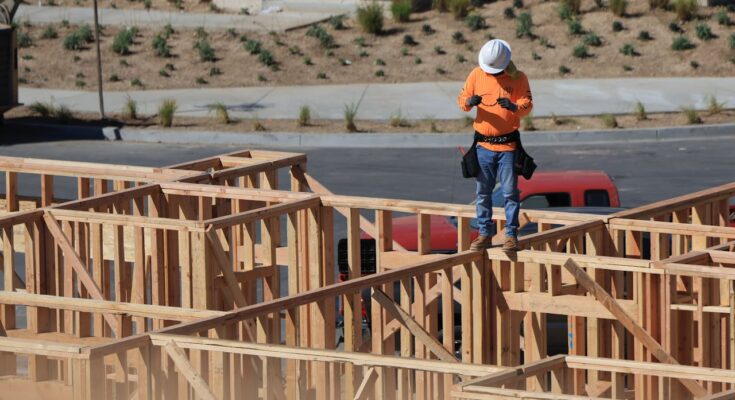
Italy’s construction industry is experiencing an unprecedented boom, and foreign workers are at the heart of this transformation. If you’ve been dreaming of combining career advancement with la dolce vita, you’re in the right place. The Italian construction sector isn’t just building structures—it’s building opportunities for skilled workers worldwide, offering competitive salaries that often surprise newcomers to the European job market.
With major infrastructure projects, post-pandemic renovation incentives, and a critical shortage of skilled labor, Italy has opened its doors wider than ever to international talent. Whether you’re a crane operator, civil engineer, project manager, or skilled tradesperson, understanding how to navigate this market could be your ticket to a rewarding European career.
Why Italy’s Construction Industry Needs Foreign Workers
Italy faces a significant demographic challenge that’s reshaping its workforce landscape. The aging population combined with younger generations pursuing different career paths has created a substantial skills gap in construction and related trades.
The current situation includes:
- An estimated shortage of over 200,000 construction workers across Italy
- Major infrastructure investments through the National Recovery and Resilience Plan (PNRR)
- The Superbonus renovation incentive program driving unprecedented demand
- Large-scale projects including the Turin-Lyon high-speed railway and Milan urban development
This perfect storm of demand has made Italy increasingly welcoming to foreign construction professionals. The government has streamlined work permit processes and increased immigration quotas specifically for construction sector workers—a clear signal that your skills are genuinely needed and valued.
Highest-Paying Construction Positions in Italy for Foreign Workers
Understanding where the best opportunities lie can significantly impact your earning potential and career trajectory in Italy.
Construction Project Manager
Project managers oversee entire construction projects from conception to completion, and Italy values this expertise highly. Average salaries range from €45,000 to €75,000 annually, with senior positions in northern industrial cities reaching even higher. Foreign workers with international project management certifications (PMP, PRINCE2) and multilingual capabilities often command premium compensation packages.
Civil Engineer
Civil engineers specializing in structural design, infrastructure development, or restoration work are particularly sought after. Expect salaries between €40,000 and €65,000 per year, depending on experience and specialization. Engineers working on heritage building restoration or seismic retrofitting—crucial in earthquake-prone regions—can negotiate higher rates due to their specialized knowledge.
Crane and Heavy Equipment Operators
Skilled operators of tower cranes, mobile cranes, and specialized construction equipment earn between €30,000 and €45,000 annually. What makes this position attractive for foreign workers is the universal nature of the skills and the relative ease of certification transfer, especially for operators from EU countries or those willing to obtain Italian certification.
Skilled Tradespeople (Electricians, Plumbers, Welders)
Master electricians and plumbers with specialized certifications can earn €28,000 to €42,000 per year. Welders with certifications in specialized techniques like TIG or underwater welding may earn even more. The renovation boom has created particularly high demand for these trades, especially professionals who understand energy-efficient and sustainable building practices.
Site Supervisors and Foremen
These leadership roles require both technical knowledge and people management skills, commanding salaries of €35,000 to €50,000 annually. Foreign workers who speak Italian and English often have advantages here, as they can bridge communication gaps on increasingly multicultural construction sites.
Real Story: From Mumbai to Milan—One Engineer’s Journey
Rajesh, a civil engineer from India, arrived in Milan three years ago with a work visa sponsored by a major construction firm. “I was skeptical about the salary being competitive with Gulf countries,” he admits. “But when you factor in the quality of life, healthcare, and the path to permanent residency, Italy offered something money alone couldn’t buy.”
Starting at €42,000 annually, Rajesh now earns €58,000 as a senior structural engineer overseeing renovation projects in historic buildings. “The learning curve was steep—understanding Italian building codes and heritage preservation regulations—but the respect for craftsmanship here is incredible. They value expertise, and once you prove yourself, opportunities multiply.”
His story isn’t unique. Many foreign construction professionals find that Italy offers more than just employment—it provides a genuine career pathway within the European Union.
Visa and Work Permit Requirements for Foreign Construction Workers
Navigating Italy’s immigration system might seem daunting, but it’s more accessible than you might think, especially for construction professionals.
Non-EU Citizens
The most common route is through the Decreto Flussi, Italy’s annual quota system for non-EU workers. Construction sector workers receive dedicated quotas because of the critical shortage. Here’s what you’ll need:
- A job offer from an Italian employer willing to sponsor your work permit
- Proof of qualifications and work experience
- Health insurance coverage
- Adequate accommodation in Italy
- A clear criminal record
Your employer initiates the process by applying for authorization from the Immigration Office. Once approved, you’ll receive a nulla osta (clearance) to apply for your work visa at the Italian embassy in your home country. The entire process typically takes 3-6 months.
EU/EEA Citizens
If you’re from an EU or EEA country, you have the significant advantage of freedom of movement. You can enter Italy and start working immediately without a work permit. You’ll just need to register with local authorities and obtain a residence certificate if staying longer than three months.
Skilled Worker Programs
Italy is increasingly implementing EU Blue Card provisions for highly skilled workers, including senior engineers and construction managers earning above €27,000 annually. This streamlined process offers faster processing times and easier family reunification options.
Cost of Living vs. Salary: What Your Paycheck Really Means
Understanding purchasing power is crucial when evaluating Italian construction salaries. While wages might seem lower compared to countries like Germany or the UK, your actual quality of life often surpasses what those numbers suggest.
Northern Italy (Milan, Turin, Bologna): Higher salaries but also higher living costs. A construction project manager earning €55,000 in Milan will spend approximately €900-1,200 on rent for a one-bedroom apartment. However, comprehensive public healthcare, affordable public transportation, and subsidized childcare significantly reduce overall expenses.
Central Italy (Rome, Florence): Moderate salary and cost balance. Salaries are slightly lower than the north, but so are living expenses. A skilled electrician earning €32,000 in Florence can maintain a comfortable lifestyle with careful budgeting.
Southern Italy (Naples, Palermo, Bari): Lower salaries but significantly reduced living costs. A site supervisor earning €38,000 in southern regions often enjoys better purchasing power than higher earners up north, plus warmer climate and proximity to stunning coastlines.
Most construction workers find their salaries stretch further when they embrace the Italian lifestyle—cooking fresh ingredients from local markets, using public transport, and taking advantage of free cultural offerings.
How to Find and Apply for Construction Jobs in Italy
Success in securing an Italian construction position requires strategy and persistence.
Online Job Platforms
Start with Italian job boards like InfoJobs.it, Indeed Italia, Monster.it, and specialized construction platforms like Edilportale Lavoro. International platforms like LinkedIn are increasingly popular among Italian construction firms seeking multilingual talent.
Recruitment Agencies
Construction-specific recruitment agencies like Randstad Construction, Adecco Italia, and ManpowerGroup actively recruit foreign workers. They often have established relationships with companies willing to sponsor work permits and can guide you through the process.
Direct Company Applications
Major construction companies like Salini Impregilo (now Webuild), Pizzarotti, CMC di Ravenna, and international firms operating in Italy frequently hire foreign workers. Research companies working on major projects and submit speculative applications highlighting your international experience.
Networking and Professional Associations
Join LinkedIn groups focused on Italian construction, connect with professionals already working in Italy, and consider joining associations like the Consiglio Nazionale degli Ingegneri (for engineers). Personal connections often lead to opportunities that never get publicly advertised.
Language Requirements and Cultural Integration
Here’s the truth: while English is increasingly common on international project sites, Italian language skills dramatically improve your prospects and earning potential.
Basic Italian (A2-B1 level) allows you to navigate daily work interactions and demonstrates commitment to integration. Many employers provide or subsidize language training for foreign workers.
Intermediate to Advanced Italian (B2-C1) opens doors to supervisory positions and client-facing roles, often accompanied by salary increases of 10-20%.
Beyond language, understanding Italian workplace culture helps tremendously. Italians value personal relationships, face-to-face communication, and a balance between professionalism and personal warmth. Coffee breaks aren’t just coffee breaks—they’re relationship-building opportunities. Lunch is sacred, typically lasting 1-2 hours. Embrace these rhythms rather than fighting them.
Benefits Beyond Salary: The Italian Advantage
What makes construction work in Italy particularly attractive goes far beyond the paycheck.
Universal Healthcare: Italy’s Servizio Sanitario Nazionale provides comprehensive healthcare to all residents, including foreign workers with permits. This alone can save thousands annually.
Generous Leave: Italian labor law mandates minimum 4 weeks paid vacation, plus 12 national holidays. Most construction contracts include even more generous provisions.
Job Security: Italian employment law strongly favors workers, making termination difficult without just cause. Once you complete probationary periods, you gain significant job protection.
Path to Permanent Residency: After five years of legal residence, you can apply for permanent residency (carta di soggiorno), and after ten years, Italian citizenship—giving you full EU mobility rights.
Quality of Life: This intangible benefit deserves emphasis. Working in Italy means living in a country with extraordinary culture, cuisine, climate, and lifestyle that consistently ranks among the world’s highest for life satisfaction.
Challenges Foreign Workers Should Anticipate
Being realistic about potential obstacles helps you prepare effectively rather than being blindsided.
Bureaucracy: Italian administrative processes can be frustratingly slow and complex. Building patience and establishing relationships with helpful bureaucrats becomes essential survival skill.
Initial Language Barriers: Even with English-speaking colleagues, navigating banking, housing, and healthcare initially requires Italian or considerable help from bilingual friends.
Credential Recognition: Professional certifications from some countries require validation or additional testing. Research your specific qualifications’ recognition status early in the process.
Cultural Adjustment: Italian work culture’s relationship-focused nature, longer decision-making processes, and different communication styles require adaptation from workers accustomed to more direct or individualistic cultures.
Regional Variations: Northern efficiency differs markedly from southern rhythms. Understanding these regional cultural differences helps set appropriate expectations.
Frequently Asked Questions
Q: Can I bring my family to Italy on a construction work visa?
A: Yes, once you have a valid work permit and residence permit, you can apply for family reunification. You’ll need to prove adequate income (typically around €6,000 annually for a spouse, plus additional amounts for children) and suitable housing. Family members can then obtain dependent residence permits.
Q: How long does it take to get a construction work permit for Italy?
A: For non-EU citizens through Decreto Flussi, expect 3-6 months from job offer to receiving your visa. EU Blue Card applications for highly skilled workers are faster, typically 1-3 months. EU/EEA citizens don’t need work permits and can start immediately.
Q: Do I need to speak Italian to work in construction in Italy?
A: While not always mandatory, especially on international project sites, basic Italian significantly improves job prospects and is often required for supervisory positions. Many employers hiring foreign workers provide Italian language courses. Even A2-level Italian demonstrates commitment and facilitates better integration.
Q: What are the tax rates for foreign construction workers in Italy?
A: Italy has progressive tax rates ranging from 23% to 43% depending on income brackets. However, foreign workers who move to Italy may qualify for reduced tax rates under certain conditions, particularly highly skilled workers relocating to southern regions. Social security contributions add approximately 9-10% for employees. Consult a tax professional for your specific situation.
Q: Are there opportunities for career advancement as a foreign construction worker in Italy?
A: Absolutely. Italy’s construction sector values experience and expertise. Foreign workers who demonstrate competence, learn Italian, and understand local building practices often advance rapidly. Many who arrive as skilled tradespeople progress to supervisory roles, while engineers frequently move into project management positions with corresponding salary increases.
Taking the First Step Toward Your Italian Construction Career
If you’ve read this far, chances are you’re seriously considering this opportunity—and you should be. Italy’s construction industry isn’t just experiencing a moment of growth; it’s undergoing a fundamental transformation that will continue for years to come.
The combination of infrastructure investment, renovation incentives, labor shortages, and an aging workforce creates a genuine window of opportunity for foreign construction professionals. Whether you’re a recent graduate looking to gain European experience or a seasoned professional seeking a lifestyle change with career continuity, Italy offers pathways that few other countries can match.
Yes, there will be challenges. Learning a new language while navigating unfamiliar bureaucracy and adapting to different workplace cultures requires resilience. But thousands of foreign construction workers have successfully made this transition, and they’ll tell you the rewards—both financial and personal—far exceed the initial difficulties.
Start by researching specific companies and projects aligned with your expertise. Update your CV to European standards, highlighting international experience and any Italian language skills. Connect with professionals already working in Italy through LinkedIn. Consider taking an online Italian course to demonstrate commitment.
Remember, you’re not just applying for a job—you’re opening a door to European opportunities, cultural richness, and a quality of life that consistently ranks among the world’s best. Your construction skills are genuinely needed and valued in Italy. The question isn’t whether opportunities exist, but whether you’re ready to seize them.
The foundation has been laid. The blueprints are ready. All that’s missing is your contribution to building not just Italy’s infrastructure, but your own European future. Buona fortuna—good luck—with your Italian construction career journey.